
New Initiative – Great Books Enrichment
- Langford Brown
- Jul 28, 2021
- 4 min read

Read the stories and meet the heroes who changed the world
‘’ Education is not a subject, nor does it deal in subjects. It is instead a transfer of a way of life.”
G.K. Chesterton
From next year Australian Christian College Students from Years 8 -10 will be able to choose optional Classics electives designed to cater for students needing enrichment and extension in the humanities. Year 8 Students will be able to enrol in Great Books Ancient while Year 9 Students will be able to choose Great Books Medieval and Year 10 Students Great Books Modern. These courses consist of both challenging and more accessible popular classics which are designed to introduce students to ‘the Greatest that has been thought and said’ as Matthew Arnold put it.
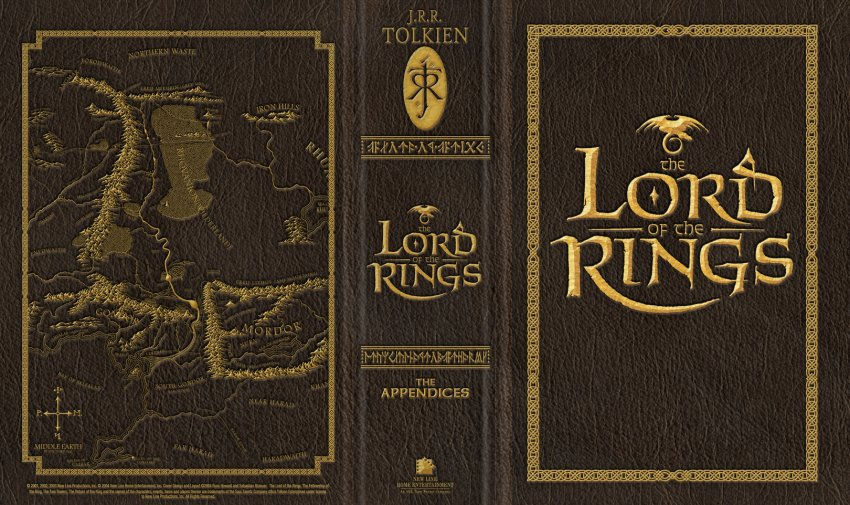
Year 8 Students will be exposed to a rich range of canonical literature including works on Greek Mythology, Homer’s Odyssey and the tragedy Antigone. Year 9 students will study Medieval gems including Beowulf and Sir Gawain and the Green Knight, The Canterbury Tales as well as the Lord of the Rings series. Year 10 students engage with modern literary classics such as Pride and Prejudice, Shakespeare, works on the History of Civilisation such as Niall Ferguson’s Empire, as well as an introduction to philosophy through texts such as The Best Things in Life.
Students engage with the collective wisdom of their classical Christian heritage, enabling them for leadership and influence. Using a Socratic teaching style, complemented by the ancient tools of logic and rhetoric; students begin to grapple with the great questions of existence. In doing so they equip themselves with highly advanced English reading, comprehension and writing skills, as well as self-discipline and a spirit of adventure. Most importantly, it is our hope at Australian Christian College, that Classics students will encounter Christ and be able to live wise, productive lives in the service of God and others.
Note: This programme is designed for students averaging an A grade in Year 8-10 English and/or HASS, however, B students may be considered based on teacher recommendations.
Year 8 - The Ancient World
Students begin to understand the story of Western Civilisation, including its classical roots in Greece and Rome, as well as the story of the Hebrews and the relationship with Ancient Egypt. Students gain an insight into the history of ideas and how they continue to shape our society today. Concepts such as democracy and tyranny, community and the nature of human society, love and friendship, as well as truth and beauty, are considered from a Christian perspective.

Texts studied range from popular classics such as the Narnia series to more challenging works including Homer’s Odyssey, Herodotus’ Histories and The Early History of Rome. Philosophical works such as the Great Things in Life and Screwtape Letters are also considered.
Lesson formats vary but typically include time for questioning as students engage the great stories of the past. As well, students will work on projects in teams and compete for the annual Classics prize. In addition, students are given time for reflection and self-paced study.
Requirements: Willingness to question, the discipline to read, a spirit of adventure and a sense of humour – you will need it!
Year 9 - The Medieval World
Next, in Medieval History, students learn how Christianity conquered the old pagan gods, creating the foundations of the Medieval European World. From the establishment of the Early Church to the Reformation, this course really grounds students in their understanding of Civilisation. Concepts such as the nature of community and human society, love and friendship, beauty and chivalry are considered; alongside questions of Christendom, just war and empire.

Texts studied range from popular classics such as The Lord of the Rings and Robin Hood to Beowulf, Sir Gawain and the Green Knight and The Canterbury Tales. Philosophical works including the Confessions of St Augustine and The Divine Comedy are also included.
Lesson formats vary but typing include time for questioning as students engage the great stories of the past. As well students will work on projects in teams and compete for the annual Classics prize. In addition, students are given time for reflection and self-paced study.
Requirements: Willingness to question, the discipline to read, a spirit of adventure and a sense of humour – you will need it!
Year 10 - The Modern World
Students’ study of the Modern World begins with the Age of European exploration and continues to the present. Students become familiar with the fragmentation of Christendom and the emergence of the Enlightenment and modern philosophies while studying the great books of the period. Concepts considered include the challenges presented by Revolutionary ideologies as well as the legacy of Christianity - including parliamentary democracy, the rule of law and freedom of religion.

Texts studied range from popular classics such as Pride and Prejudice, Emma, The Great Gatsby, Tom Sawyer and The Old Man and the Sea. Advanced works include The Social Contract, Reflections on the Revolution in France, The Communist Manifesto and 1984.
Note: In Year 10 students focus on a major project in Semester II - depending on their area of Classics interest. For example, they may choose poetry, philosophy, the works of Jane Austen, Shakespeare, Military History, an Ancient or Medieval text/topic, Australian literature, Christian Worldview and apologetics or their own approved choice.
Lesson formats vary but typing include time for questioning as students engage the great stories of the past. As well students will work on projects in teams and compete for the annual Classics prize. In addition, students are given time for reflection and self-paced study.
Requirements: Willingness to question, the discipline to read, a spirit of adventure and a sense of humour – you will need it!
Comments